The birth of the Internet resulted from a research effort funded by the American ARPA (Advanced Research Projects Agency), in a Cold War context where the resilience of communications was becoming a strategic concern. As early as 1961, Leonard Kleinrock at MIT formalised packet-switching theory, alongside the independent work of Paul Baran (RAND, 1964) and Donald Davies (NPL, 1965). On 29 October 1969, the first IMP-to-IMP message of ARPANET travelled between UCLA and SRI, linking four nodes and then some twenty by 1971. Ray Tomlinson invented email the same year and chose the "@" sign as a separator. In 1974, Vinton Cerf and Robert Kahn published the TCP specification, an inter-network protocol which, after its split into TCP/IP in 1978, made it possible to connect heterogeneous networks. Robert Metcalfe and David Boggs developed Ethernet at Xerox PARC in 1973, standardising the local area network. The historic switchover of ARPANET to TCP/IP took place on 1 January 1983, a date sometimes called the "birth of the Internet". Paul Mockapetris proposed DNS in 1983, freeing users from memorising IP addresses. In 1986 the NSF deployed NSFNET, the academic backbone; from 1989 the first commercial ISPs (UUNET, PSINet) opened the way to privatisation, sealed in 1995 with the decommissioning of NSFNET. Linus Torvalds released the Linux kernel in 1991, a free operating system that would become the dominant infrastructure of Internet servers, while Tim Berners-Lee brought the first Web server online at CERN the same year. This period transformed a military research project into a worldwide civilian infrastructure: from 4 nodes in 1969, the Internet reached 10 million hosts in 1995 and some 16 million users. The founding principles — network of networks, open protocols, decentralisation, end-to-end, best-effort — constitute a lasting technical and political heritage. As the ARPANET/NSFNET era drew to a close, the hypertext web imagined by Berners-Lee opened directly onto the following period, that of the consumer Web.
Birth of the Internet
Innovations of this period
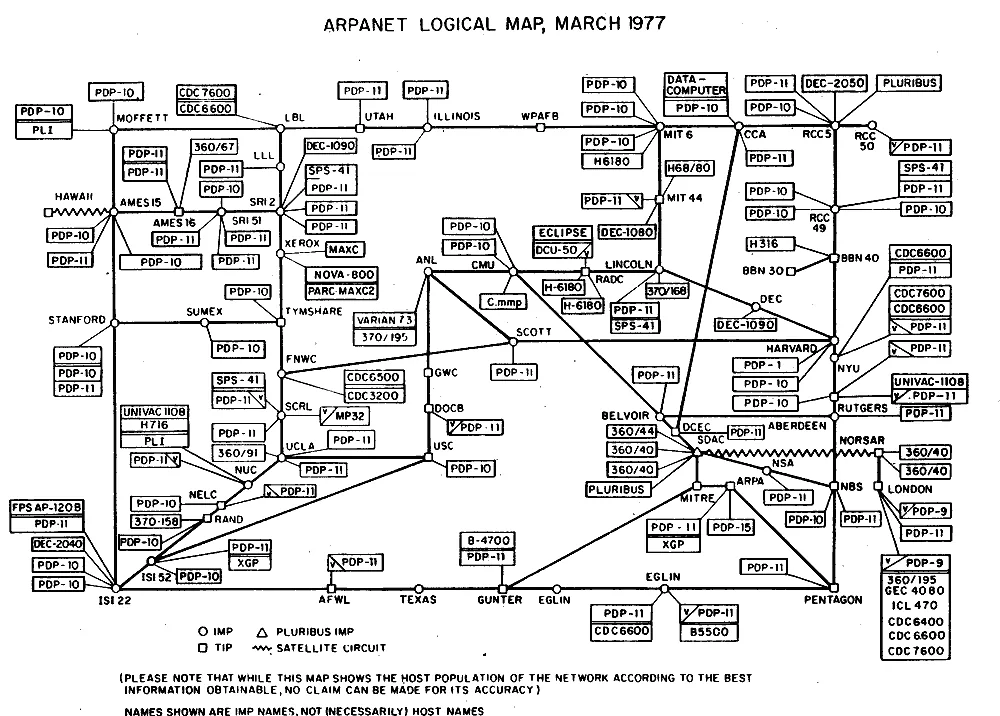 ARPA — Public domain, via Wikimedia Commons
1969
ARPA — Public domain, via Wikimedia Commons
1969
ARPANET
Network / Computer network
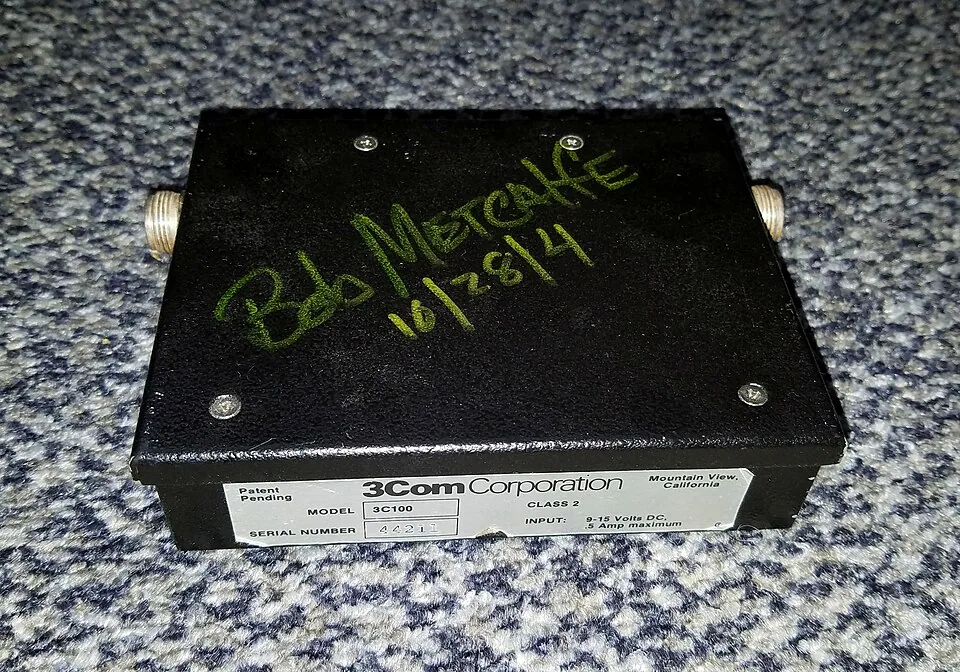 Daderot — CC0 1.0, via Wikimedia Commons
1973
Daderot — CC0 1.0, via Wikimedia Commons
1973
Ethernet
Network / Local area protocol
 Larry Ewing, Simon Budig, Garrett LeSage — CC0, via Wikimedia Commons
1991
Larry Ewing, Simon Budig, Garrett LeSage — CC0, via Wikimedia Commons
1991
Linux
Software / Kernel and operating system
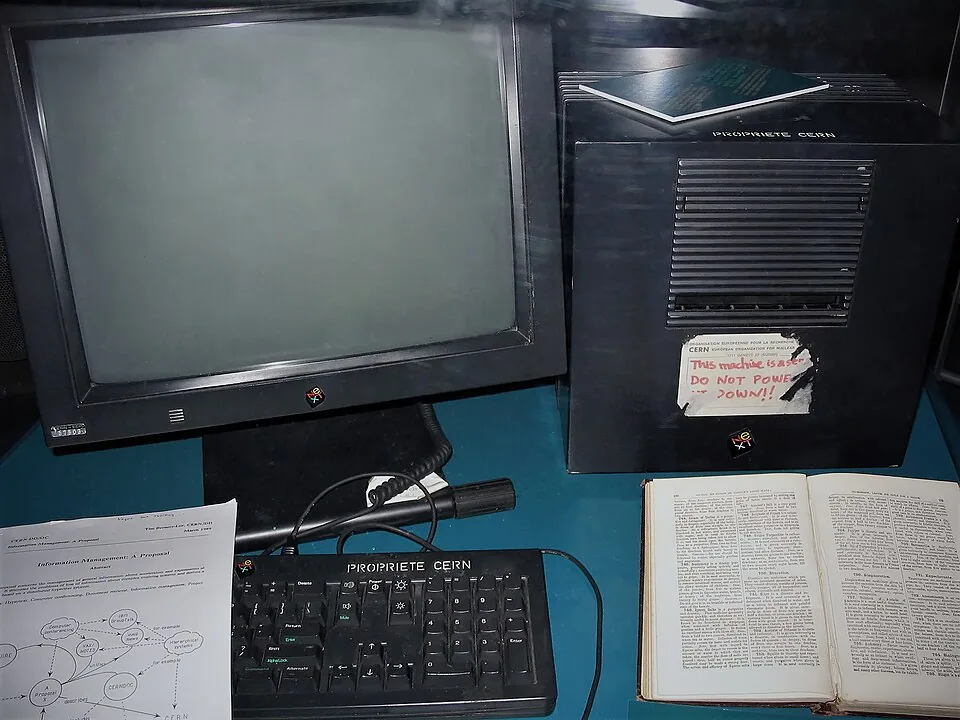 Coolcaesar — CC BY-SA 3.0, via Wikimedia Commons
1991
Coolcaesar — CC BY-SA 3.0, via Wikimedia Commons
1991
World Wide Web
Software / Hypertext system
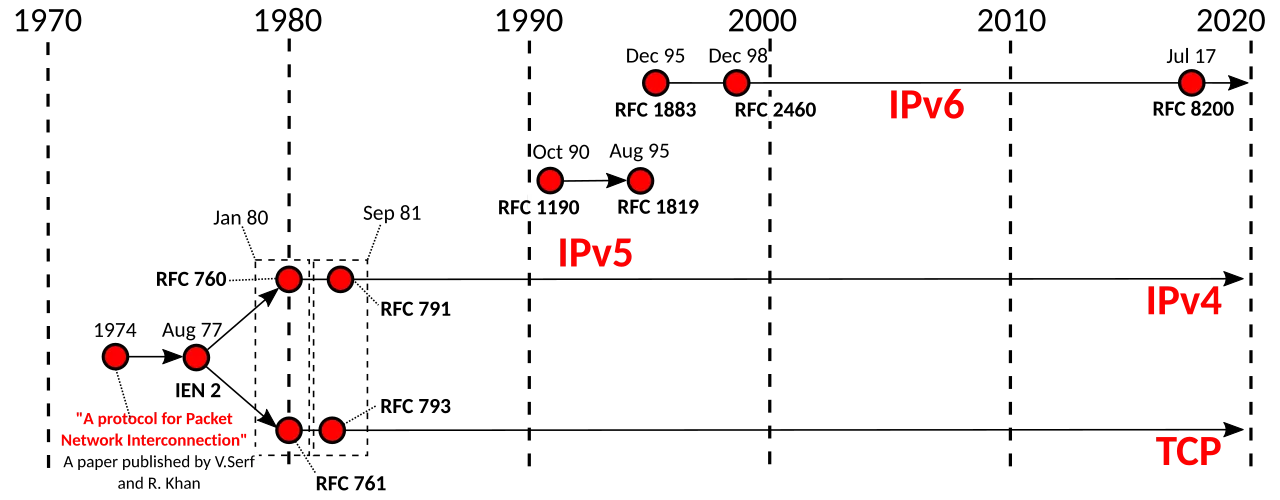 Michel Bakni — CC BY-SA 4.0, via Wikimedia Commons
1974
Michel Bakni — CC BY-SA 4.0, via Wikimedia Commons
1974
TCP/IP
Protocol / Networking
 W3C — CC BY 3.0, via Wikimedia Commons
1991
W3C — CC BY 3.0, via Wikimedia Commons
1991
HTML
Software / Markup language
 Just van Rossum — Public domain, via Wikimedia Commons
1991
Just van Rossum — Public domain, via Wikimedia Commons
1991
Python
Software / Programming language
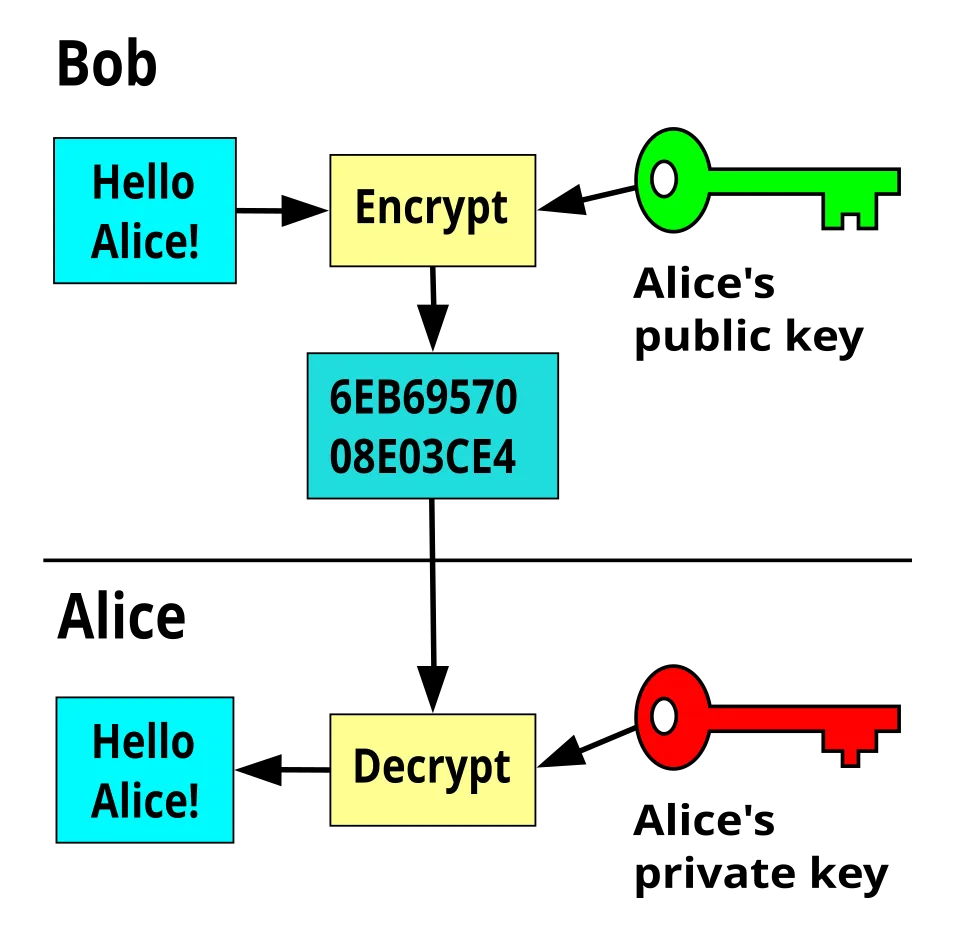 David Göthberg — Public domain, via Wikimedia Commons
1977
David Göthberg — Public domain, via Wikimedia Commons
1977
RSA
Cryptography / Security
Pioneers of this period
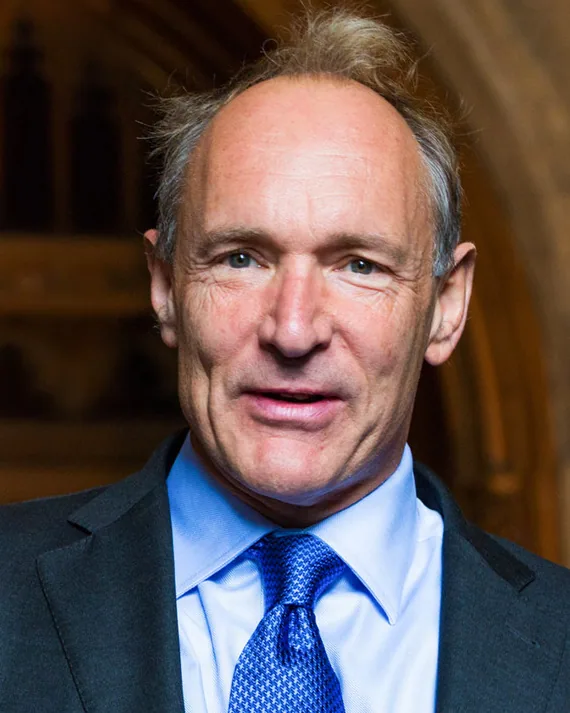 Paul Clarke — CC BY-SA 4.0, via Wikimedia Commons
1955
Paul Clarke — CC BY-SA 4.0, via Wikimedia Commons
1955
Tim Berners-Lee
British computer scientist, inventor of the World Wide Web
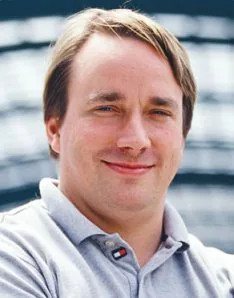 Unknown / LinuxMag.com — CC BY-SA 3.0, via Wikimedia Commons
1969
Unknown / LinuxMag.com — CC BY-SA 3.0, via Wikimedia Commons
1969
Linus Torvalds
Finnish software engineer, creator of the Linux kernel and of Git
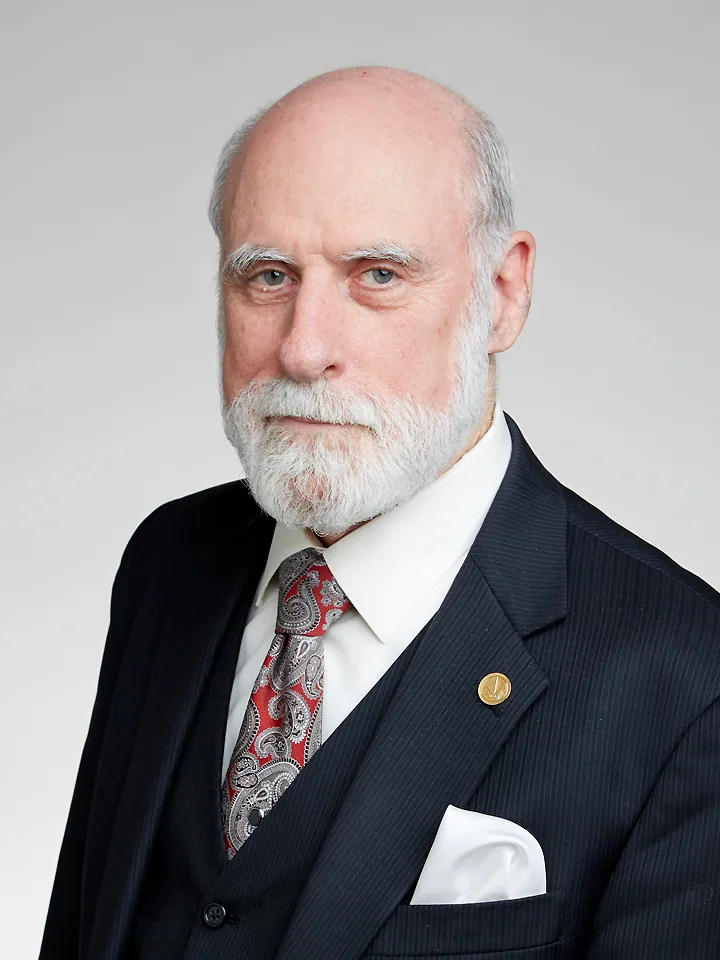 Duncan Hull, Royal Society — CC BY-SA 3.0, via Wikimedia Commons
1943
Duncan Hull, Royal Society — CC BY-SA 3.0, via Wikimedia Commons
1943
Vint Cerf
American computer scientist who co-authored the TCP/IP protocol with Bob Kahn and is widely regarded as a founding father of the Internet
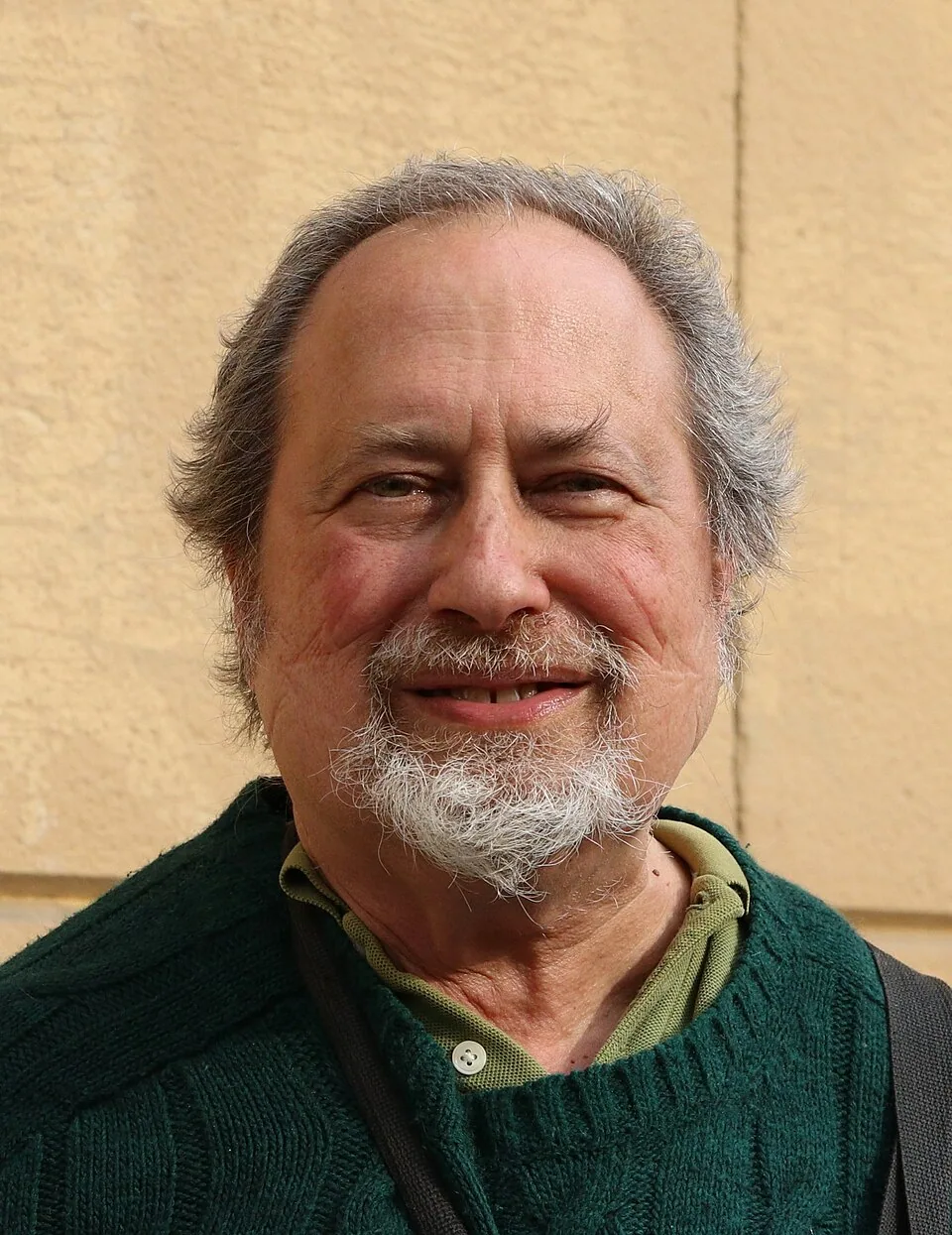 Gaurav Bhattacharya — CC BY-SA 4.0, via Wikimedia Commons
1953
Gaurav Bhattacharya — CC BY-SA 4.0, via Wikimedia Commons
1953
Richard Stallman
American programmer who founded the GNU Project and the Free Software Foundation, authored the GPL license, and established the free software movement
 PyCon US — CC BY-SA 4.0, via Wikimedia Commons
1956
PyCon US — CC BY-SA 4.0, via Wikimedia Commons
1956
Guido van Rossum
Dutch programmer who created the Python language in 1989, now the dominant language for data science and artificial intelligence
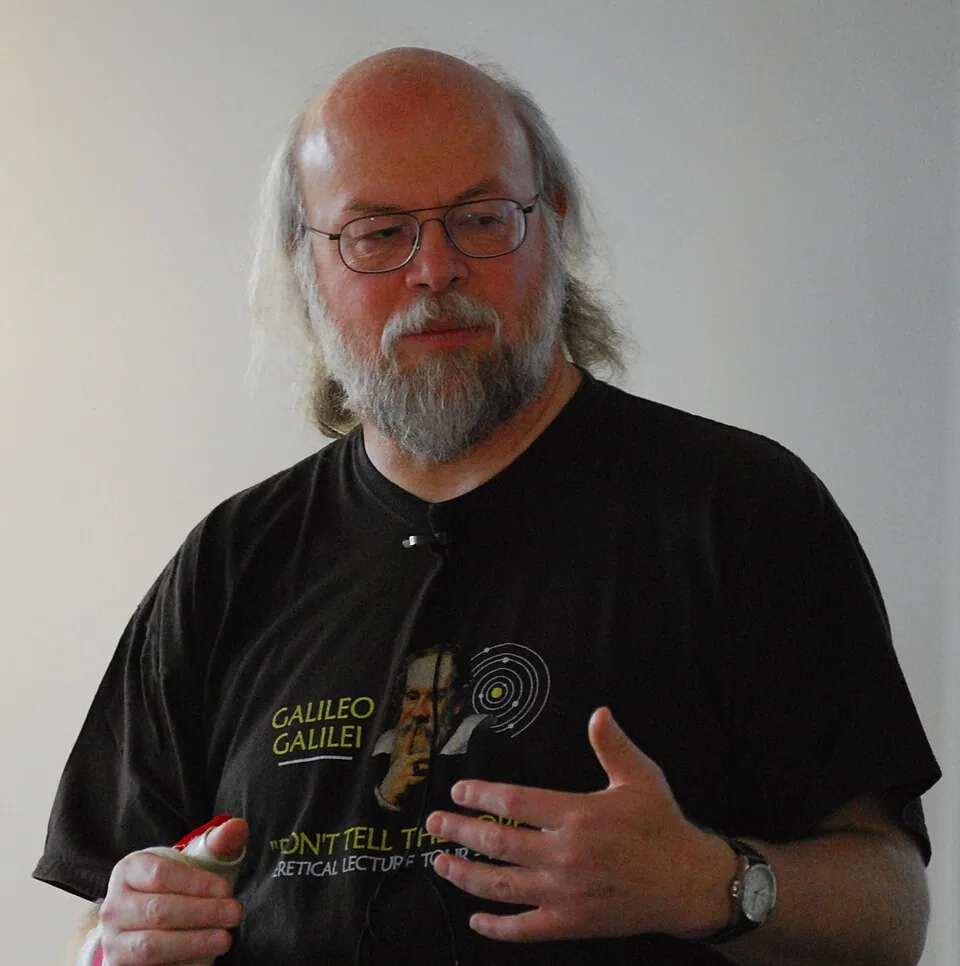 Heron — CC BY-SA 2.0, via Wikimedia Commons
1955
Heron — CC BY-SA 2.0, via Wikimedia Commons
1955
James Gosling
Canadian computer scientist who created the Java programming language in 1994 and the "Write Once, Run Anywhere" paradigm