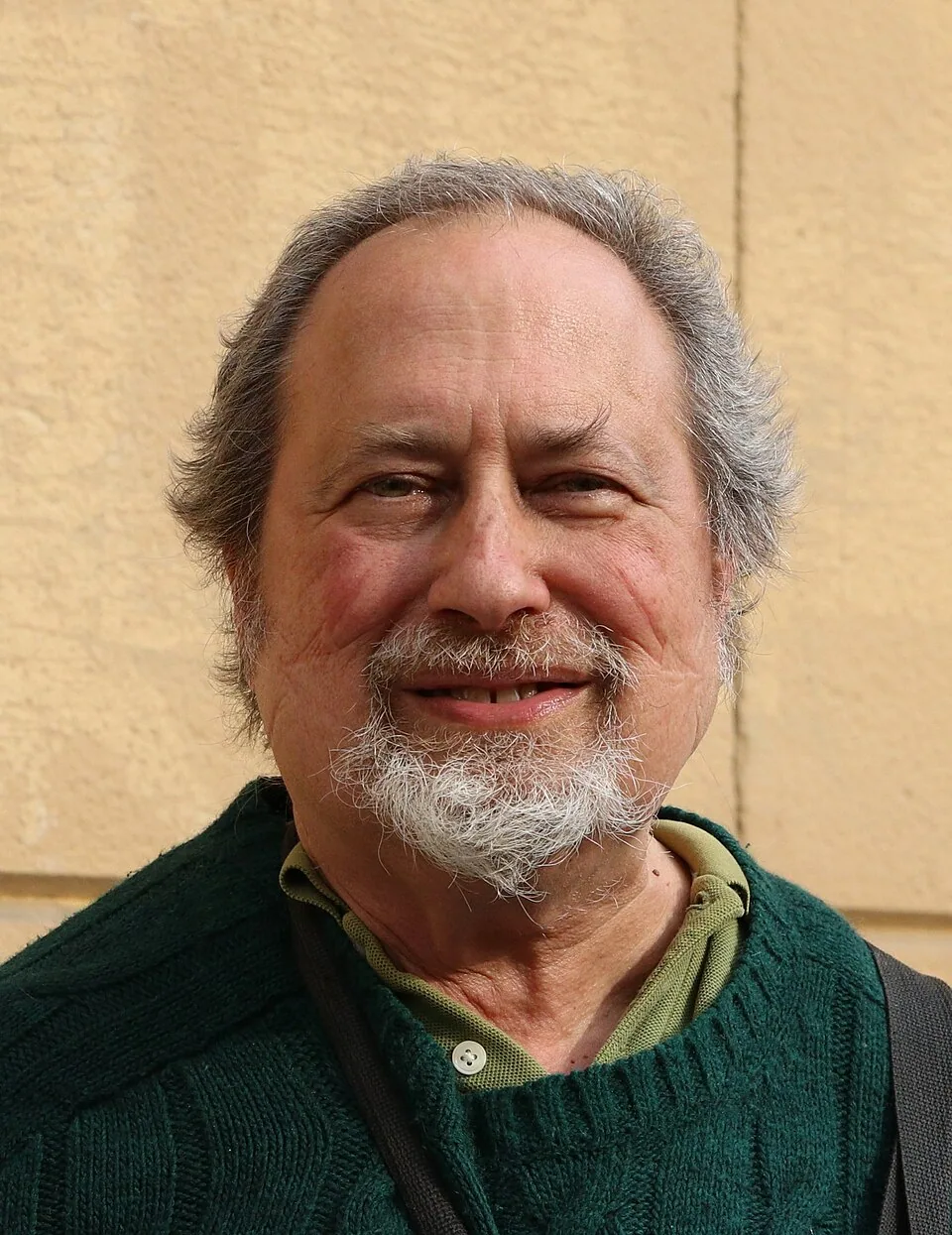
Richard Matthew Stallman earned a physics degree from Harvard in 1974, having already started programming at MIT's Artificial Intelligence Laboratory in 1971 as a first-year student. That laboratory practised a code-sharing culture that Stallman soon saw threatened by the rise of proprietary software. The triggering incident came in 1980: a Xerox printer driver he could not modify for lack of source code access made tangible what it meant to lose control of one's computing tools. In September 1983, Stallman publicly announced the GNU Project — a recursive acronym for "GNU's Not Unix" — with the goal of creating an entirely free operating system. In October 1985, he founded the Free Software Foundation. He personally developed GNU Emacs in 1985, an extensible text editor that became a full programming platform, and the GNU Compiler Collection (GCC), a universal compilation toolchain without which most Unix and Linux systems could not function. He also articulated the Four Essential Freedoms: to use, study, modify, and redistribute software. The GNU General Public License (GPL), first published in 1989 and revised in 1991 and 2007, was his legal masterwork. It introduced the concept of "copyleft": any code derived from GPL software had to be distributed under the same terms, permanently protecting software freedom against commercial appropriation. When Linus Torvalds chose in 1992 to release Linux under the GPL, it was this mechanism that structured the rise of the global open-source ecosystem. Stallman received a MacArthur Fellowship in 1990, the ACM Grace Murray Hopper Award the same year, and the ACM Software System Award in 2015.
1953
· USA
Richard Stallman
American programmer who founded the GNU Project and the Free Software Foundation, authored the GPL license, and established the free software movement