Personal computing was born of the encounter between the microprocessor and a Californian counter-cultural ethos committed to decentralising computing power. In 1971, Intel released the 4004 designed by Ted Hoff, Federico Faggin and Stanley Mazor, the first complete microprocessor on a single chip. The 8008 (1972) and 8080 (1974) followed, enabling Ed Roberts to launch in 1975 the Altair 8800 as a kit — a founding machine for which Bill Gates and Paul Allen wrote a BASIC interpreter and founded Microsoft the same year. The Homebrew Computer Club, meeting in Menlo Park from March 1975, brought together the enlightened hobbyists who would carry the revolution. In 1977, three consumer machines inaugurated the personal era: the Commodore PET, the Radio Shack TRS-80 and, above all, the Apple II designed by Steve Wozniak and commercialised by Steve Jobs. The arrival of the VisiCalc spreadsheet in 1979 turned the personal computer into an essential professional tool. IBM responded in 1981 with the IBM PC running MS-DOS, setting an open-architecture standard that would yield decades of compatible clones. In 1984 Apple launched the Macintosh, the first commercial success of a mainstream graphical interface directly inspired by the Xerox Alto. Microsoft released Windows 1.0 in 1985 and, more decisively, Windows 3.0 in 1990, which imposed the GUI on the PC. On the free-software side, Richard Stallman founded the GNU project in 1983, while the 8- and 16-bit home machines (ZX Spectrum 1982, Commodore 64 1982, Amiga 1000 1985, Atari ST 1985) democratised programming for an entire generation. During this period the computer left the data centre for the office, and then the home. It imposed the lasting paradigms of WIMP (windows, icons, menus, pointer), of the proprietary operating system, of boxed software and of the Intel processor + Windows pairing. By the late 1980s, the convergence of networked PCs, consumer modems and the TCP/IP protocol would prepare the irruption of the Internet into civilian life during the following decade.
Personal Computing
Innovations of this period
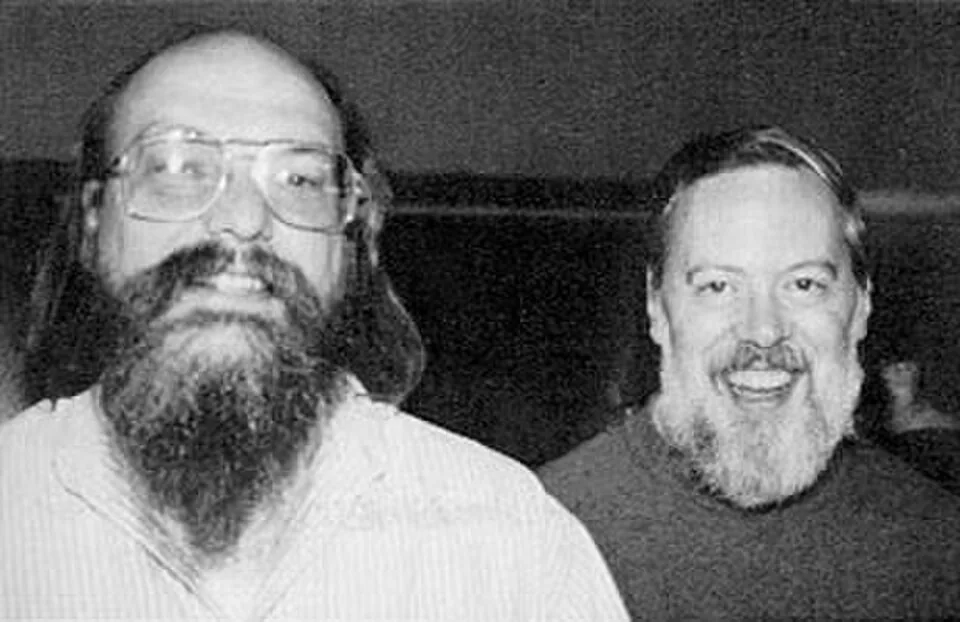 Jargon File — Public domain, via Wikimedia Commons
1969
Jargon File — Public domain, via Wikimedia Commons
1969
UNIX
Software / Operating system
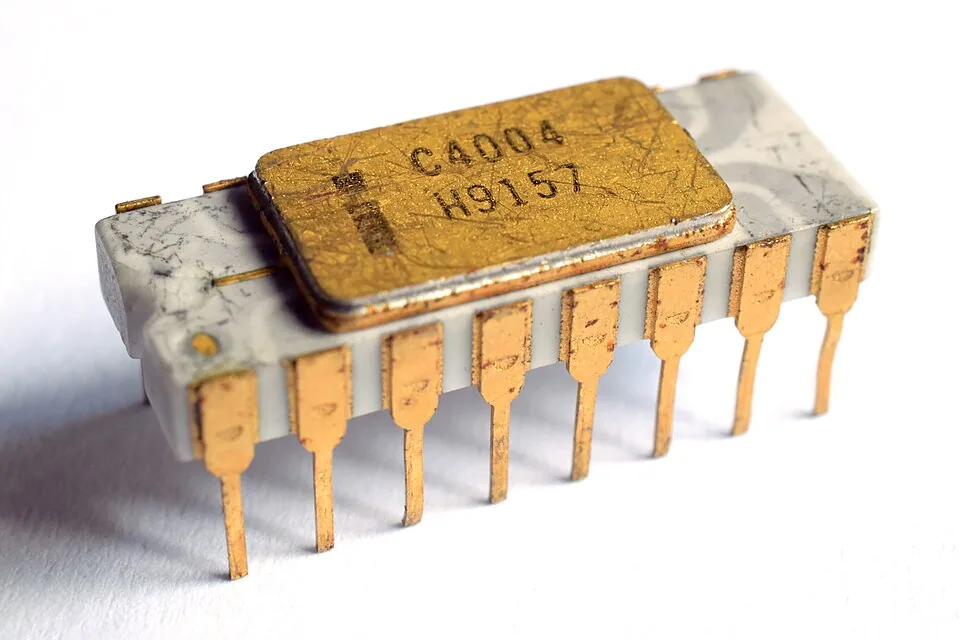 Thomas Nguyen (Fouky) — CC BY-SA 4.0, via Wikimedia Commons
1971
Thomas Nguyen (Fouky) — CC BY-SA 4.0, via Wikimedia Commons
1971
Intel 4004
Hardware / Microprocessor
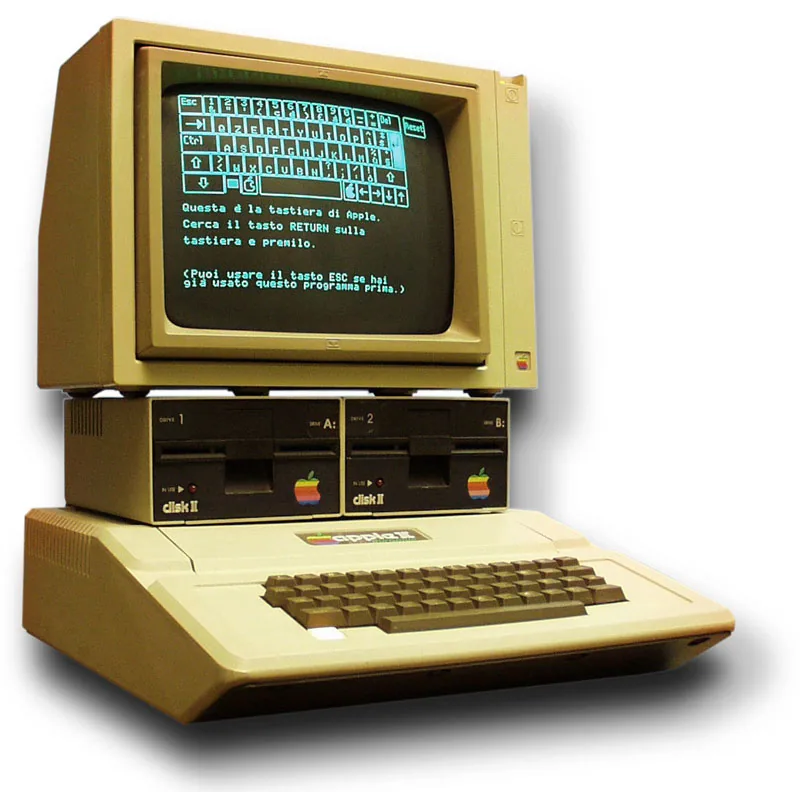 Hellis (it.wikipedia) — CC BY-SA 3.0, via Wikimedia Commons
1977
Hellis (it.wikipedia) — CC BY-SA 3.0, via Wikimedia Commons
1977
Apple II
Hardware / Microcomputer
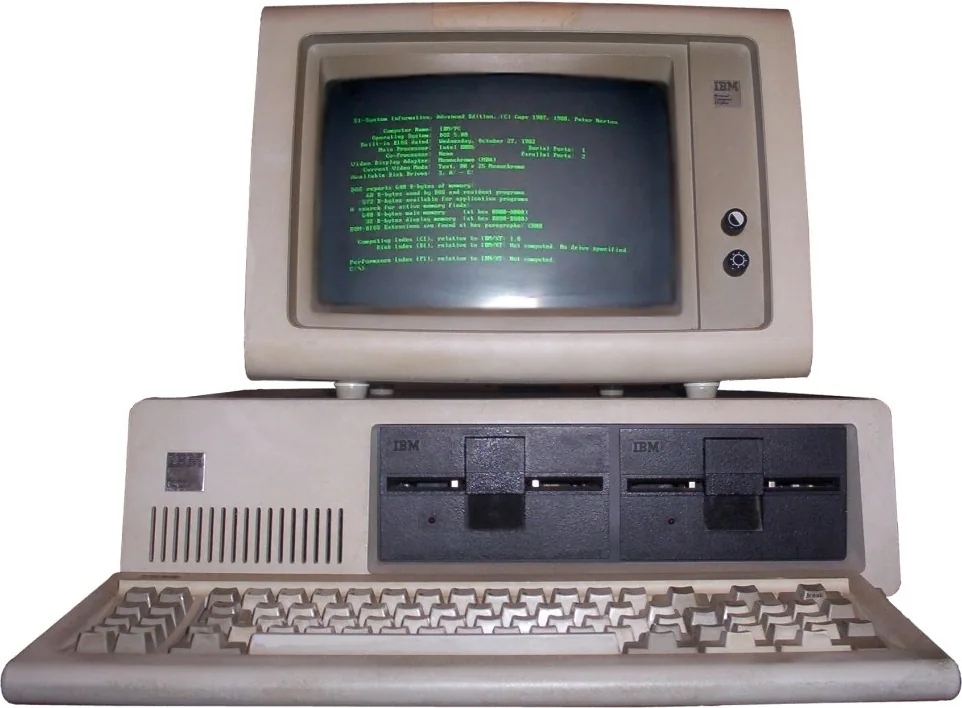 Boffy b — CC BY-SA 3.0, via Wikimedia Commons
1981
Boffy b — CC BY-SA 3.0, via Wikimedia Commons
1981
IBM PC
Hardware / Microcomputer
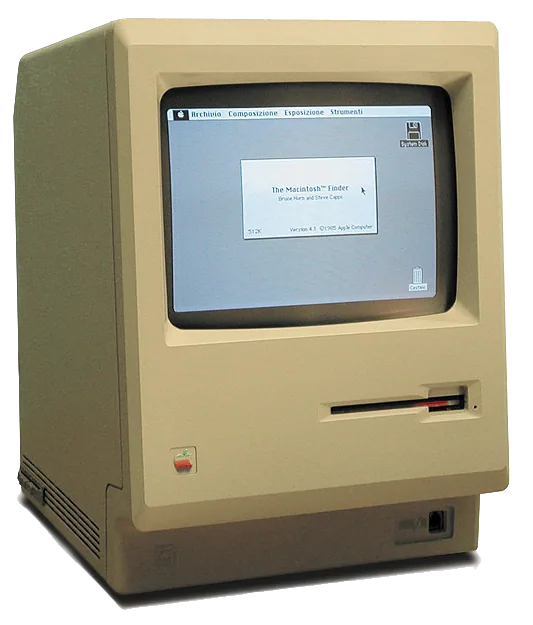 Grm wnr — CC BY-SA 3.0, via Wikimedia Commons
1984
Grm wnr — CC BY-SA 3.0, via Wikimedia Commons
1984
Macintosh
Hardware / Microcomputer
 SqlPac, modified by Ferdna — CC BY-SA 3.0, via Wikimedia Commons
1974
SqlPac, modified by Ferdna — CC BY-SA 3.0, via Wikimedia Commons
1974
SQL
Software / Query language
 Rezonansowy — Public domain, via Wikimedia Commons
1972
Rezonansowy — Public domain, via Wikimedia Commons
1972
C
Software / Programming language
Pioneers of this period
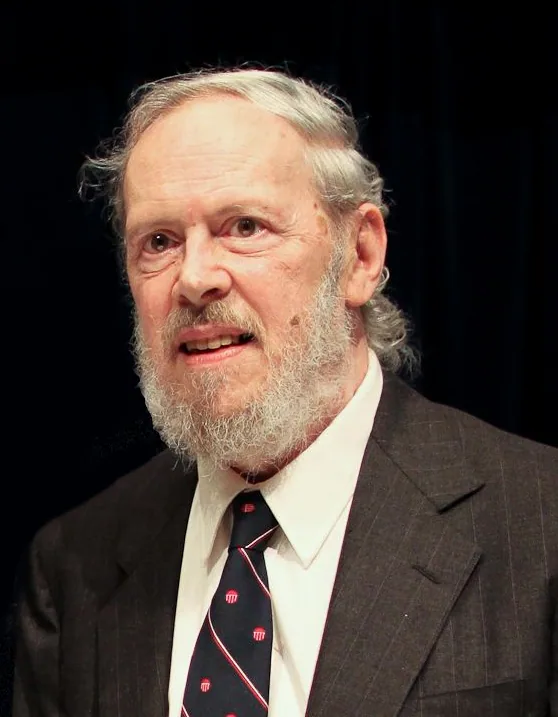 Denise Panyik-Dale — CC BY 2.0, via Wikimedia Commons
1941 — 2011
Denise Panyik-Dale — CC BY 2.0, via Wikimedia Commons
1941 — 2011
Dennis Ritchie
American computer scientist, creator of the C language and co-author of UNIX
 Kuhlmann / MSC — CC BY 3.0 DE, via Wikimedia Commons
1955
Kuhlmann / MSC — CC BY 3.0 DE, via Wikimedia Commons
1955
Bill Gates
American computer scientist and entrepreneur, co-founder of Microsoft
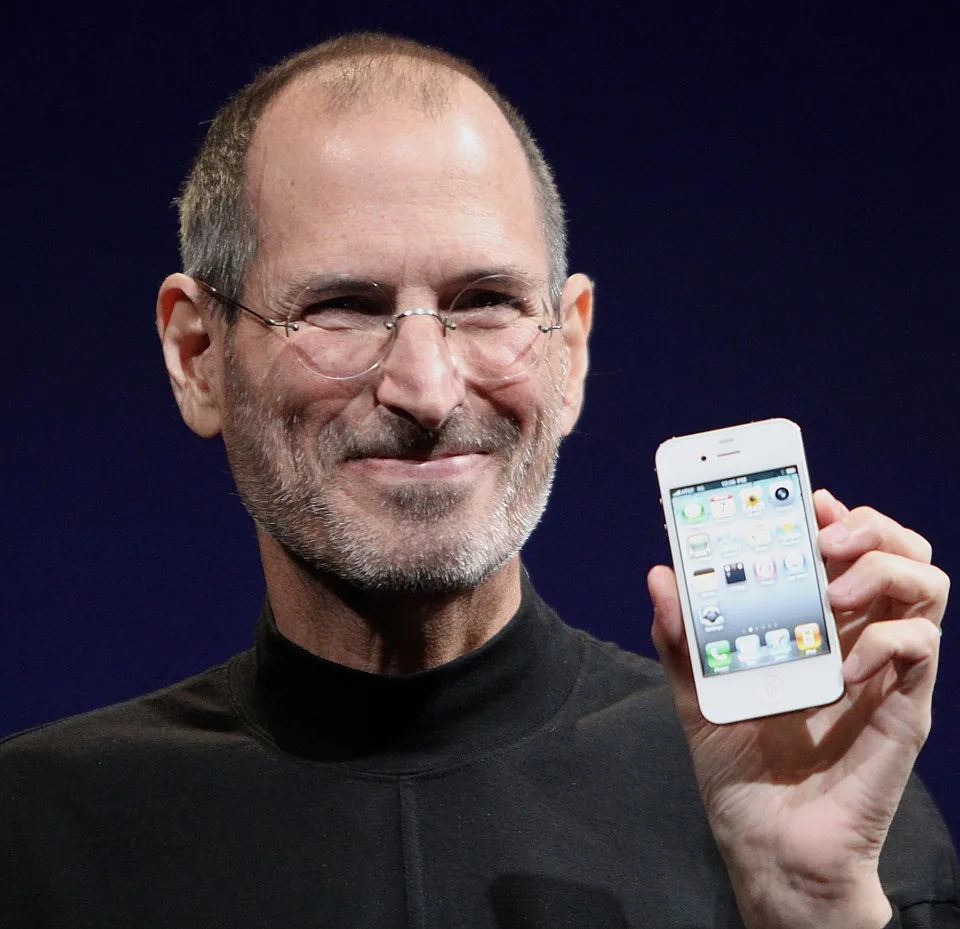 Matthew Yohe — CC BY-SA 3.0, via Wikimedia Commons
1955 — 2011
Matthew Yohe — CC BY-SA 3.0, via Wikimedia Commons
1955 — 2011
Steve Jobs
American entrepreneur, co-founder of Apple and architect of the Macintosh and iPhone
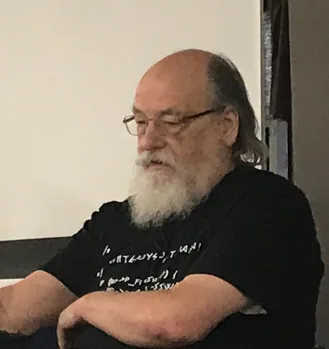 A.C. Diller — CC BY-SA 4.0, via Wikimedia Commons
1943
A.C. Diller — CC BY-SA 4.0, via Wikimedia Commons
1943
Ken Thompson
American computer scientist who co-created Unix with Dennis Ritchie and invented the B programming language, precursor to C
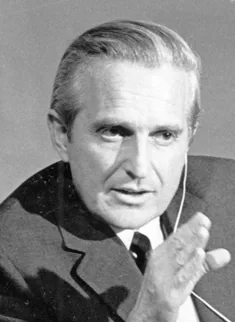 SRI International — CC BY-SA 3.0, via Wikimedia Commons
1925 — 2013
SRI International — CC BY-SA 3.0, via Wikimedia Commons
1925 — 2013
Douglas Engelbart
American engineer who invented the computer mouse and pioneered graphical user interfaces, hypertext, and computer-supported collaborative work
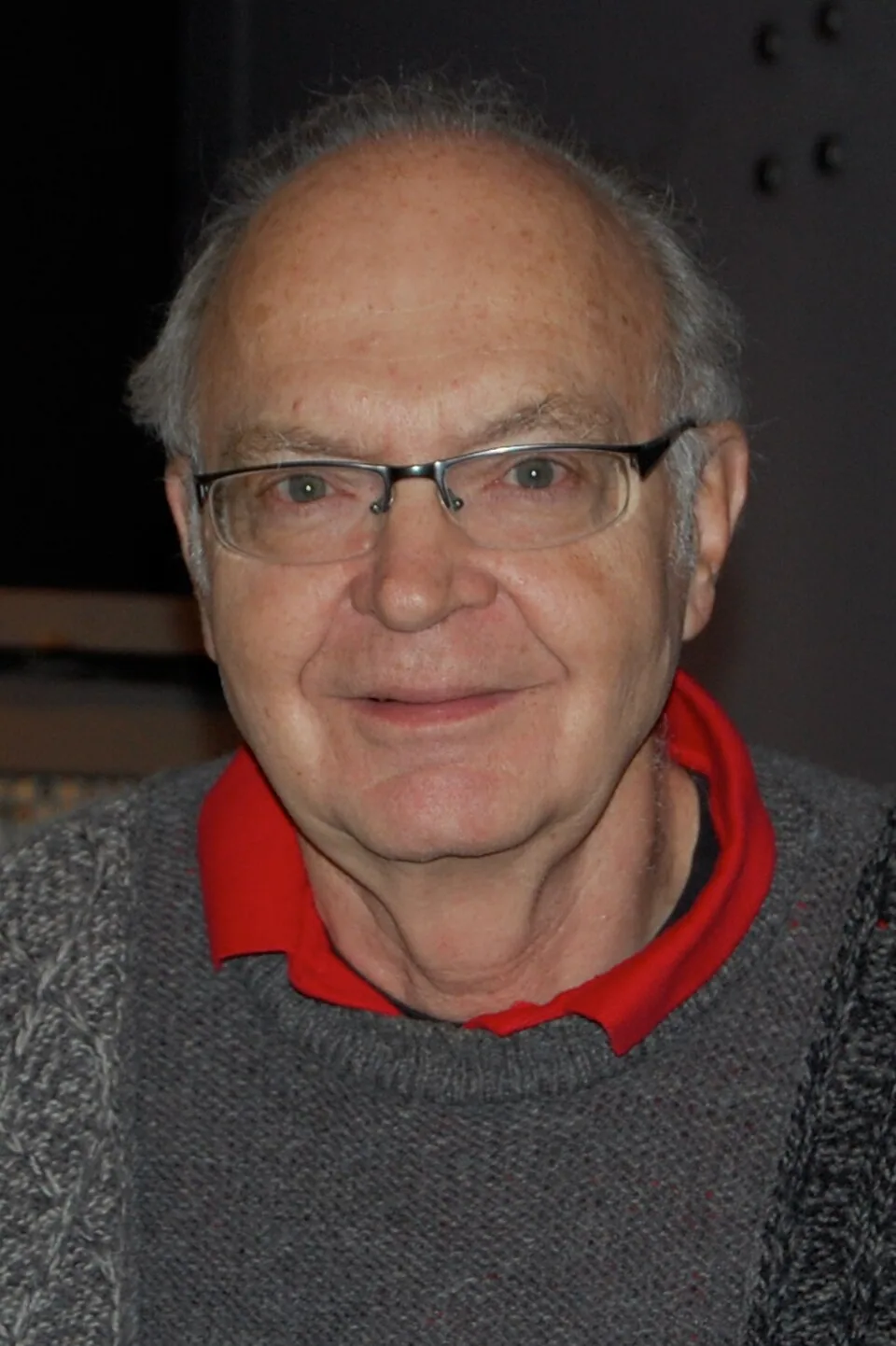 Jacob Appelbaum — CC BY-SA 2.0, via Wikimedia Commons
1938
Jacob Appelbaum — CC BY-SA 2.0, via Wikimedia Commons
1938
Donald Knuth
American computer scientist, author of The Art of Computer Programming and creator of the TeX typesetting system, founding father of algorithm analysis
 Gaurav Bhattacharya — CC BY-SA 4.0, via Wikimedia Commons
1953
Gaurav Bhattacharya — CC BY-SA 4.0, via Wikimedia Commons
1953
Richard Stallman
American programmer who founded the GNU Project and the Free Software Foundation, authored the GPL license, and established the free software movement
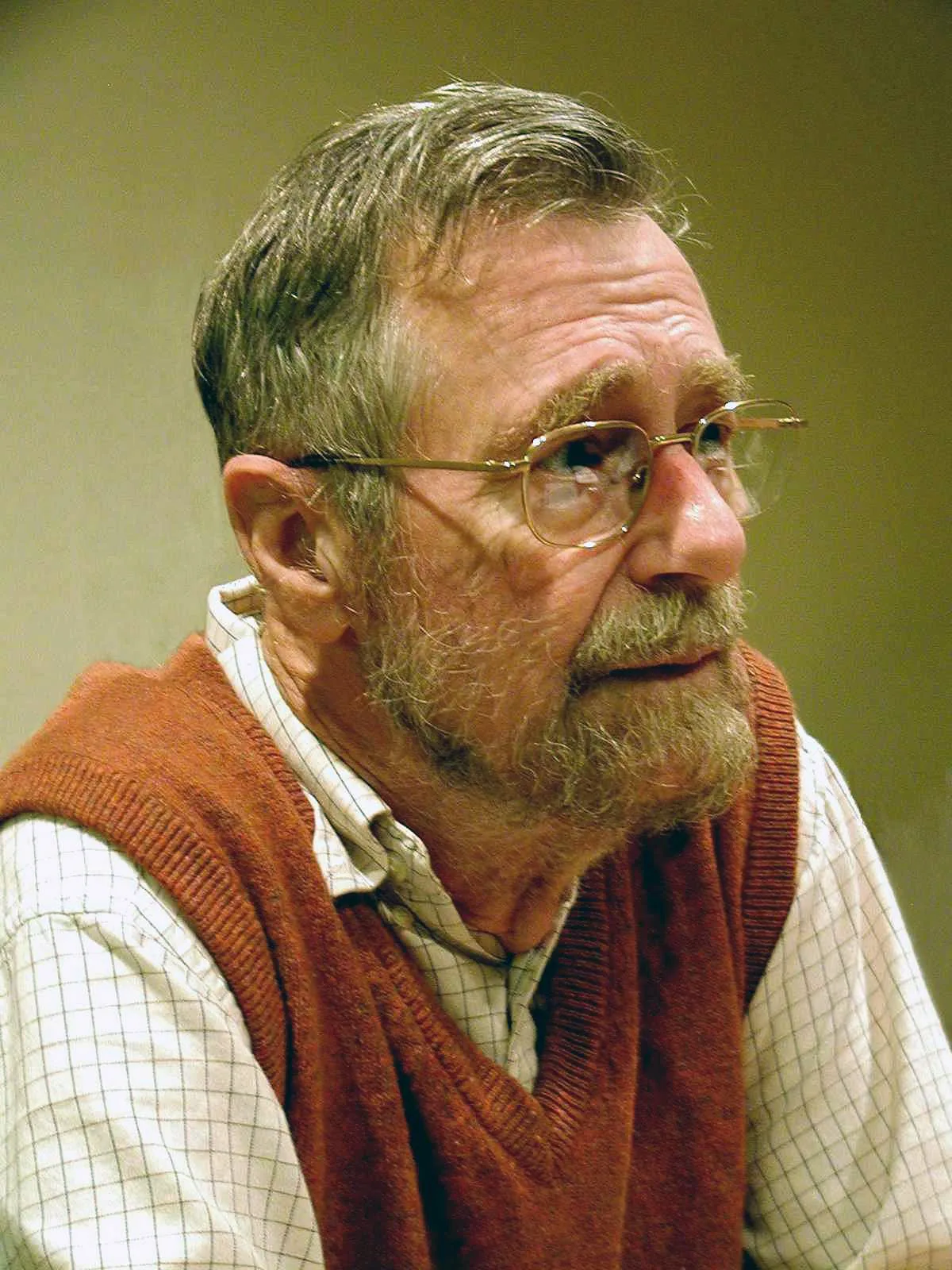 Hamilton Richards, UT Austin — CC BY-SA 3.0, via Wikimedia Commons
1930 — 2002
Hamilton Richards, UT Austin — CC BY-SA 3.0, via Wikimedia Commons
1930 — 2002
Edsger W. Dijkstra
Dutch computer scientist who devised the shortest path algorithm, pioneered structured programming, and invented the semaphore synchronization primitive