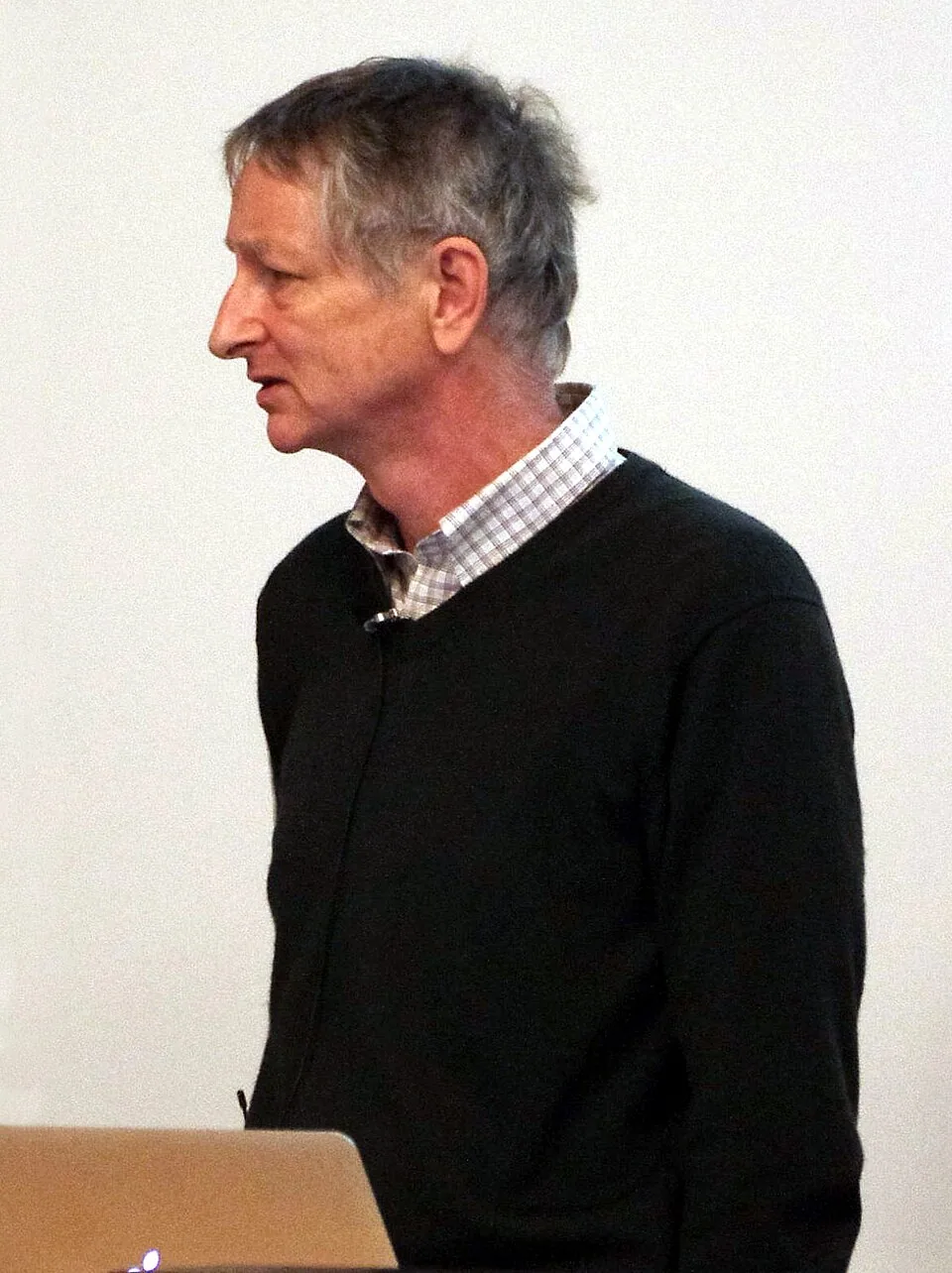
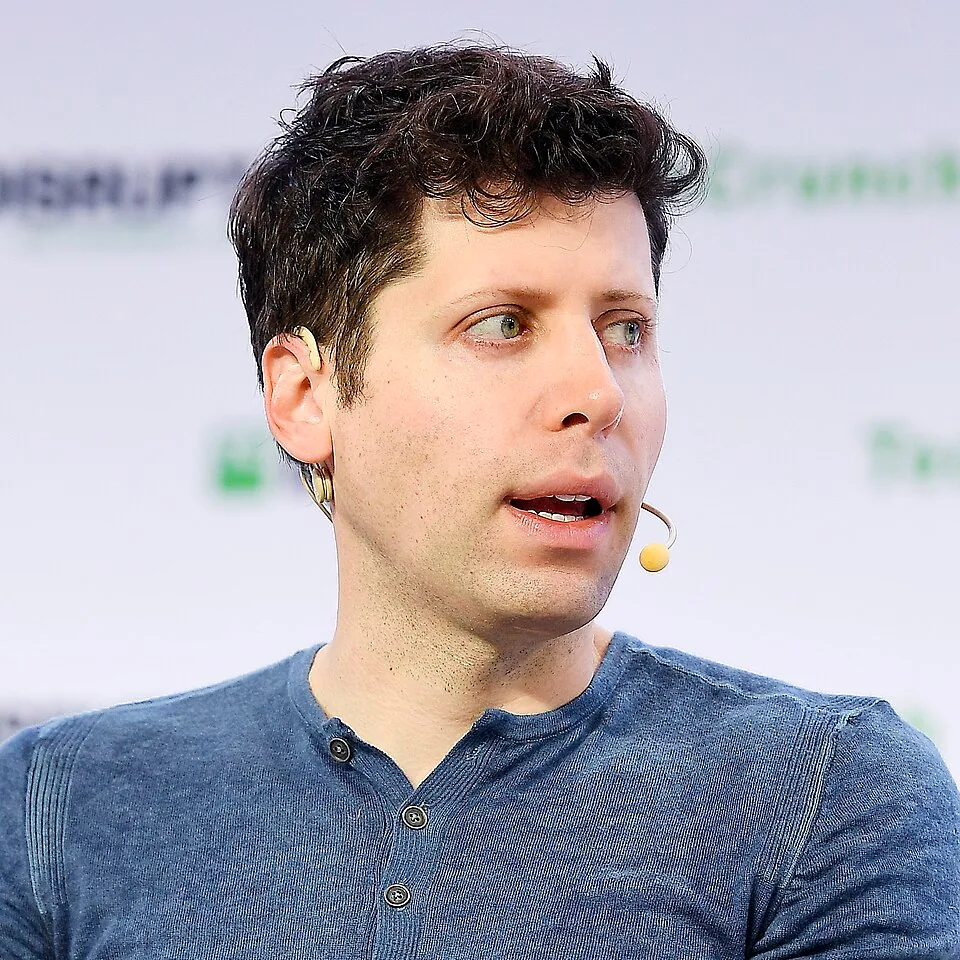
The generative AI era is rooted in the publication, by eight researchers from Google Brain and the University of Toronto in June 2017, of the paper "Attention Is All You Need", which introduced the Transformer architecture. By making the training of language models parallelisable on massive corpora, this theoretical turn opened the way to a scaling race. OpenAI, founded in December 2015 by Sam Altman, Elon Musk, Ilya Sutskever, Greg Brockman and others, released GPT (2018), GPT-2 (2019, initially deemed too powerful to publish in full), and then GPT-3 in May 2020 with 175 billion parameters, accessible via API. Google responded with BERT (2018), T5 (2019), LaMDA (2021) and PaLM (2022); Meta released LLaMA in February 2023. The shift to the general public came with the launch of ChatGPT on 30 November 2022, which reached one hundred million monthly users in two months — the fastest adoption of a digital service in history. GPT-4, released in March 2023, introduced image + text multimodality. Generative imagery followed the same trajectory: DALL·E (OpenAI, January 2021), DALL·E 2 (2022), Midjourney (July 2022) and Stable Diffusion (Stability AI, August 2022, open source) widely disseminated text-to-image synthesis. Code models (GitHub Copilot, June 2021, built on OpenAI Codex), voice models (Whisper, 2022) and video models (Sora, 2024) extended the generative scope. Anthropic, founded in 2021 by Dario and Daniela Amodei, released Claude in 2023 with the "Constitutional AI" methodology. Geoffrey Hinton left Google in May 2023 to warn about existential risks. This period, still under way, raises unprecedented questions of copyright, employment, disinformation and alignment. The European Union adopted the AI Act in 2024, the first comprehensive legal framework. The transition from chatbots to autonomous agents, capable of carrying out actions via API or user interface, is taking shape from 2024–2025 onward, naturally extending the mobile & cloud period whose GPU, network and cloud infrastructure, built during the previous decade, it fully exploits.
2017–
Generative AI
Innovations of this period
 Google — Public domain (logo, simple shapes/text), via Wikimedia Commons
2015
Google — Public domain (logo, simple shapes/text), via Wikimedia Commons
2015
TensorFlow
Software / Machine learning library
 OpenAI — Public domain (logo, simple shapes/text), via Wikimedia Commons
2022
OpenAI — Public domain (logo, simple shapes/text), via Wikimedia Commons
2022
ChatGPT
AI / Conversational agent
 OpenAI — Public domain, via Wikimedia Commons
2023
OpenAI — Public domain, via Wikimedia Commons
2023
GPT-4
AI / Large language model
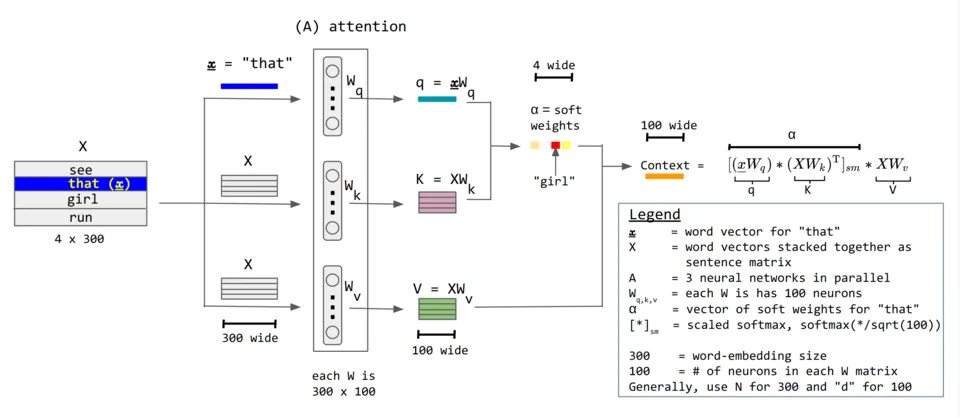 Ravelinha — CC BY-SA 4.0, via Wikimedia Commons
2017
Ravelinha — CC BY-SA 4.0, via Wikimedia Commons
2017
Transformer
Neural architecture / Natural language processing