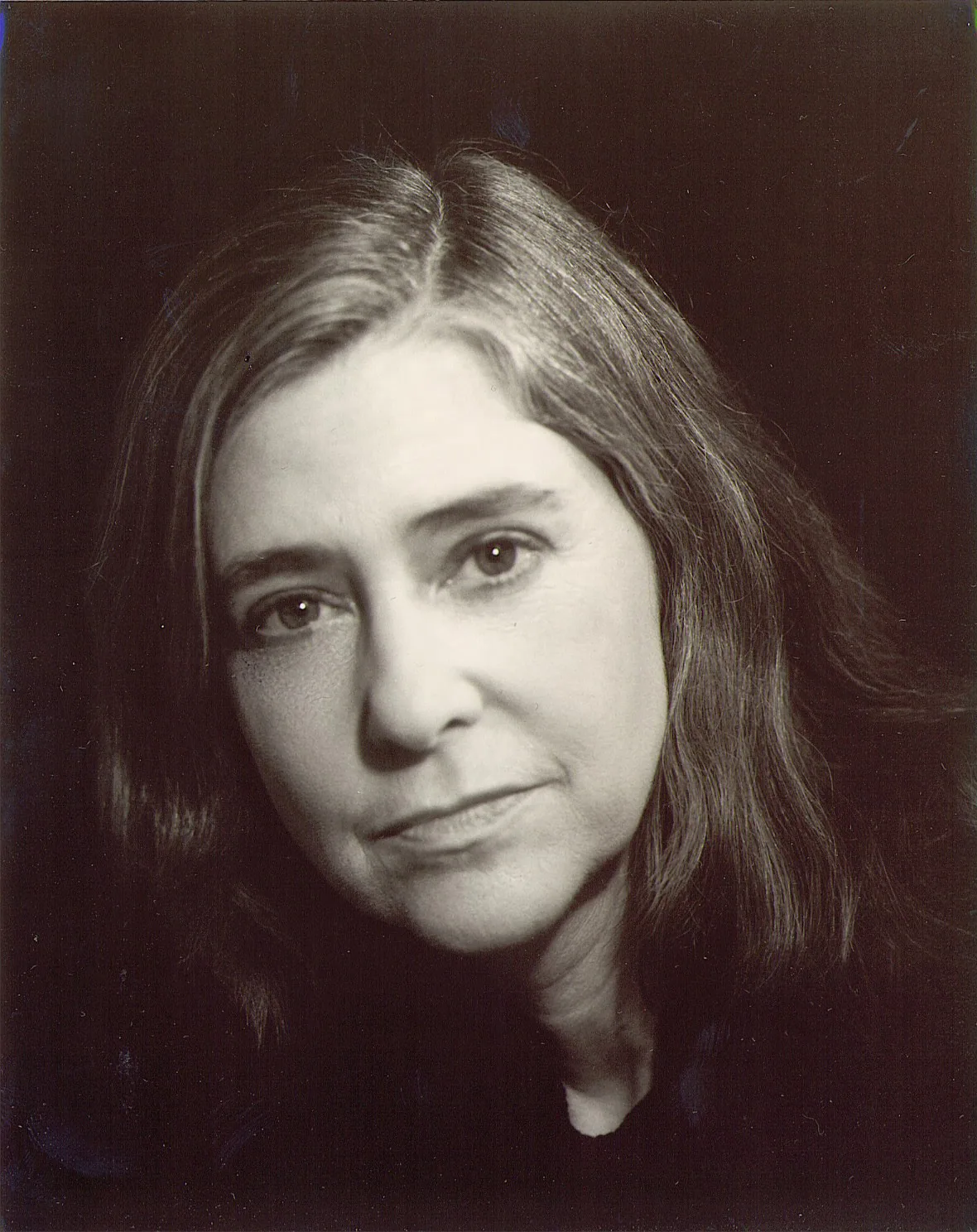
A 1958 graduate of Earlham College in mathematics with a minor in philosophy, Margaret Elaine Heafield Hamilton began her career at MIT writing weather prediction software for Edward Norton Lorenz. Between 1961 and 1963 she joined the SAGE project at MIT's Lincoln Laboratory, where she programmed the AN/FSQ-7 computer for the United States Air Force aircraft detection system. This work on real-time systems, where any failure had immediate military consequences, forged the rigorous approach to safety-critical software that would define her career. In 1963, Hamilton joined MIT's Instrumentation Laboratory, responsible for developing guidance software for the Apollo program. She rose to become Director of the Software Engineering Division, overseeing all onboard software for the Apollo missions and the Skylab program. Facing colleagues who still treated software as secondary to hardware, Hamilton insisted on applying the same formal verification methods to code as to circuits. It was she who coined the term "software engineering" to elevate the discipline to the same standing as other engineering branches. Her most consequential contribution came on July 20, 1969, during the Apollo 11 lunar descent. Three minutes from landing, the guidance computer began generating program alarms signaling processor overload. Because of a priority scheduling system Hamilton had designed — enabling the computer to suspend non-essential tasks and preserve critical functions — the mission was not aborted, and Neil Armstrong landed the lunar module as planned. Hamilton went on to found Higher Order Software in 1976 and Hamilton Technologies in 1986, and received the Presidential Medal of Freedom from Barack Obama in 2016.
1936
· USA
Margaret Hamilton
American software engineer who led the development of Apollo 11's onboard flight software at NASA and coined the term "software engineering"