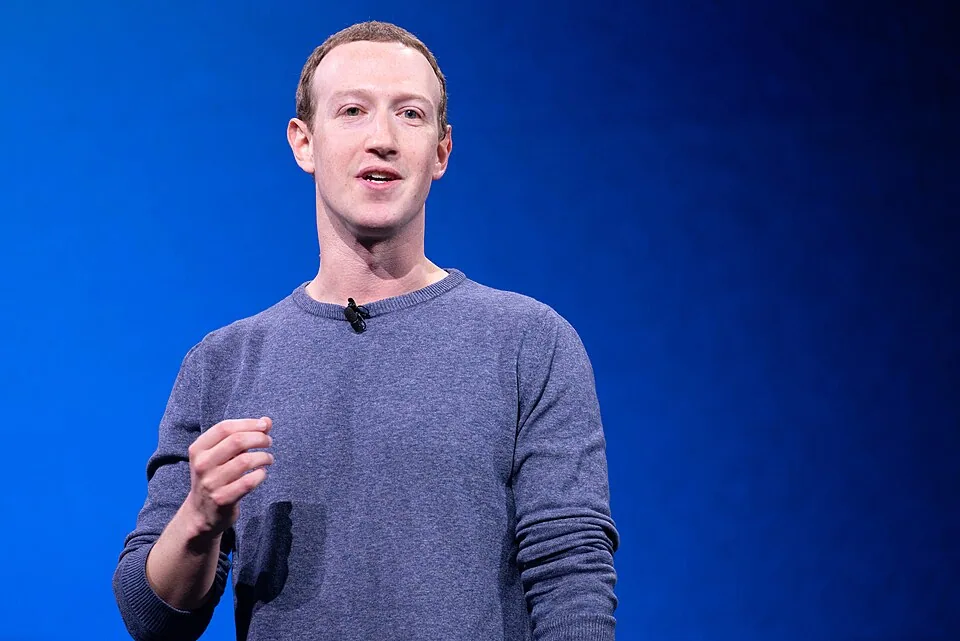
At the start of the 2000s, digital social networks were appearing in various forms: SixDegrees (1997), Friendster (2002), MySpace (2003). At Harvard, a nineteen-year-old student named Mark Zuckerberg — already the author of a controversial program called Facemash — developed with his classmates Eduardo Saverin, Dustin Moskovitz, Chris Hughes and Andrew McCollum an online directory restricted to students of his university. The site, called thefacebook.com, went online on 4 February 2004 from the Kirkland dormitory. Within a few weeks it attracted several thousand sign-ups and was successively opened to Columbia, Stanford and Yale, then to all universities in the United States, Canada and the United Kingdom. In June 2004, the company moved to Palo Alto, California. Sean Parker, co-founder of Napster, became president and brought in the investor Peter Thiel for 500,000 dollars. The site was renamed Facebook in 2005 after the facebook.com domain was purchased for 200,000 dollars. In September 2006 the network opened to anyone over thirteen with an email address, abandoned its elitist character and triggered exponential growth. Innovations followed in quick succession: the News Feed (September 2006), the developer platform (2007), the "Like" button (2009), the share button, instant messaging and, from 2012 onwards, ultra-granular targeted advertising, which provides the bulk of the business model. The IPO of 18 May 2012 in New York valued Facebook at 104 billion dollars. The group acquired Instagram in 2012 for one billion, WhatsApp in 2014 for nineteen billion and Oculus VR the same year. It reached 2 billion monthly users in 2017 and more than 3 billion in 2023. Renamed Meta Platforms in October 2021 to mark its pivot towards the metaverse, the group attracts growing criticism and regulation over the collection of personal data, the spread of disinformation — notably around the 2016 U.S. presidential election and the Cambridge Analytica scandal — and its psychological impact on teenagers. Facebook nevertheless remains the structuring object of the Web 2.0 era and the emblem of an attention economy based on targeted advertising.
2004
Platform / Social network